

 LinkedIn
A page can rank first in Google and still lose the most visible answer to someone else. That is the problem with much of the advice about getting cited in AI Overviews: it still assumes Google works like the 2023 Search Generative Experience experiment.
The old prescription was tidy. Publish a comprehensive guide, build authority, reach the top three for your target keyword, and wait for the AI answer to summarize your page. But Google changed the interface, narrowed and expanded when answers appear, brought ads into the answer block, and moved toward retrieval across multiple related searches. The practical target now is an extractable answer on a page that already has a reason to rank, with a paid slot competing for attention nearby.
The traffic stakes are real. In Ahrefs’ analysis of search click-through data, an AI Overview was associated with a 58.0% lower organic click-through rate for a position-one result and a 50.8% lower rate for position two. A traditional ranking still matters. It just does not guarantee the click it once did.
Here is how the rules moved, one turning point at a time.
May 2023: SGE makes citations look like a top-three prize
On May 10, 2023, Google introduced the Search Generative Experience (SGE) as a Search Labs experiment; its broader rollout began on May 25. The early interface put a large generated answer beneath the search bar, pushed standard results down, and displayed source links in a three-card carousel beside the text. Google was testing a new way to answer queries, not publishing a durable rulebook for citations.
The layout nevertheless suggested an easy theory: if your URL ranked near the top for the exact query, the answer would read it and give you one of those cards. For practitioners, that turned AI visibility into a familiar SEO job. Improve the page, win the head term, collect the citation. The problem was not that rankings had stopped mattering. It was that a prominent card in one experimental layout told us very little about how future answers would select sources.
It also encouraged a particular kind of content: the enormous, single-keyword guide built to be the definitive result for one search. I understand the appeal. It is easier to put “write the 4,000-word guide” in a content plan than to ask which individual question a searcher needs answered and whether your page answers it plainly. But the first task is not a substitute for the second.
Practical takeaway: treat the SGE carousel as a historical interface, not a citation formula.
May 2024: AI Overviews launch, then Google pulls them back
A year later, Google rolled AI Overviews into its broader search experience. The public introduction went badly. Widely shared examples included an answer suggesting glue on pizza and another recommending a small rock as a source of dietary minerals. On May 30, Google Head of Search Liz Reid published “AI Overviews: About last week”, describing more than a dozen changes intended to limit unreliable answers, including tighter handling of satirical and user-generated material and stronger restrictions around health queries.
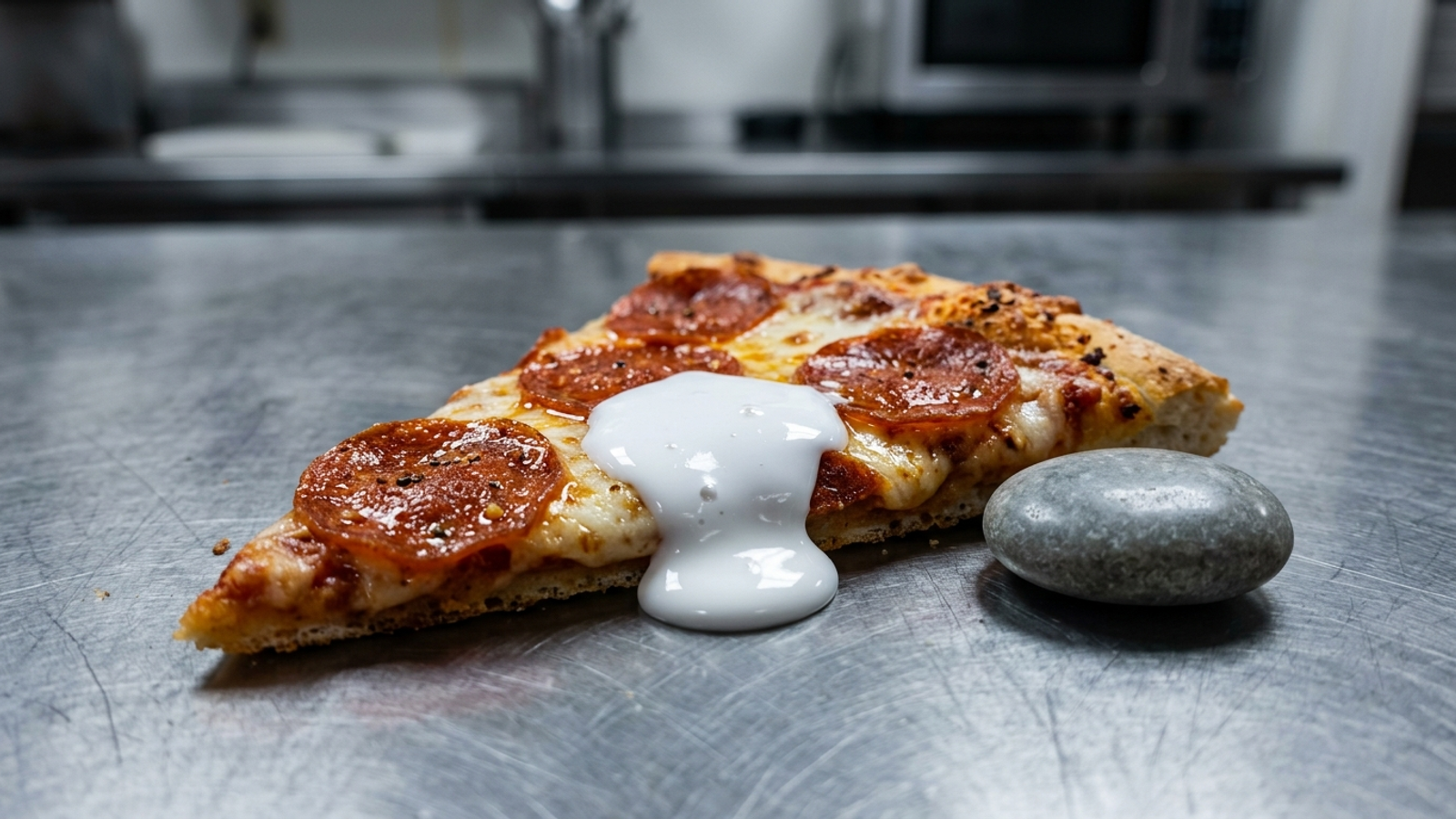
The immediate change for search marketers was not a new markup trick. It was a smaller set of opportunities. BrightEdge’s tracking showed AI Overviews appearing on roughly 84% of queries in its pre-rollout testing, falling to about 15% in late May and near 7% across the analyzed datasets by June 2024. Those figures describe the tracked queries, not a permanent percentage for all of Google Search. They still show why a pitch built around AI Overviews appearing everywhere aged badly.
What broke was the assumption that every commercially valuable query needed the same AI-citation treatment. If Google does not show an Overview for the searches your buyers make, a site-wide rewrite aimed at winning one buys you no visibility there. If an Overview does appear, you need to study that query and the questions the answer addresses, rather than applying the same template across the domain.
That is a less glamorous first step than commissioning thirty articles. It is also cheaper than optimizing for a box that is not on the page.
Practical takeaway: check whether AI Overviews actually appear for your target queries before making them a content priority.
October 2024: Ads and inline links compete inside the answer
On October 3, 2024, Google rolled out ads inside and alongside AI Overviews for mobile searchers in the US. Eligible existing Search, Performance Max, and Shopping campaigns could enter the new placement without a separate AI Overview campaign. On October 28, Google expanded AI Overviews to more than 100 countries and brought source links into the answer text as inline citations. The familiar division between an organic answer and a paid result became much harder to see on the screen.
That does not mean a PPC manager can name an exact-match keyword, raise the bid, and purchase a specific spot in an Overview. Google’s guidance on ad eligibility describes eligibility through automated targeting and relevant ad formats, not a direct booking system for the answer block. The generated answer can itself provide context for which commercial ad is relevant. A search about why pool water has turned green, for example, can lead from an informational explanation to an ad for an algaecide kit.
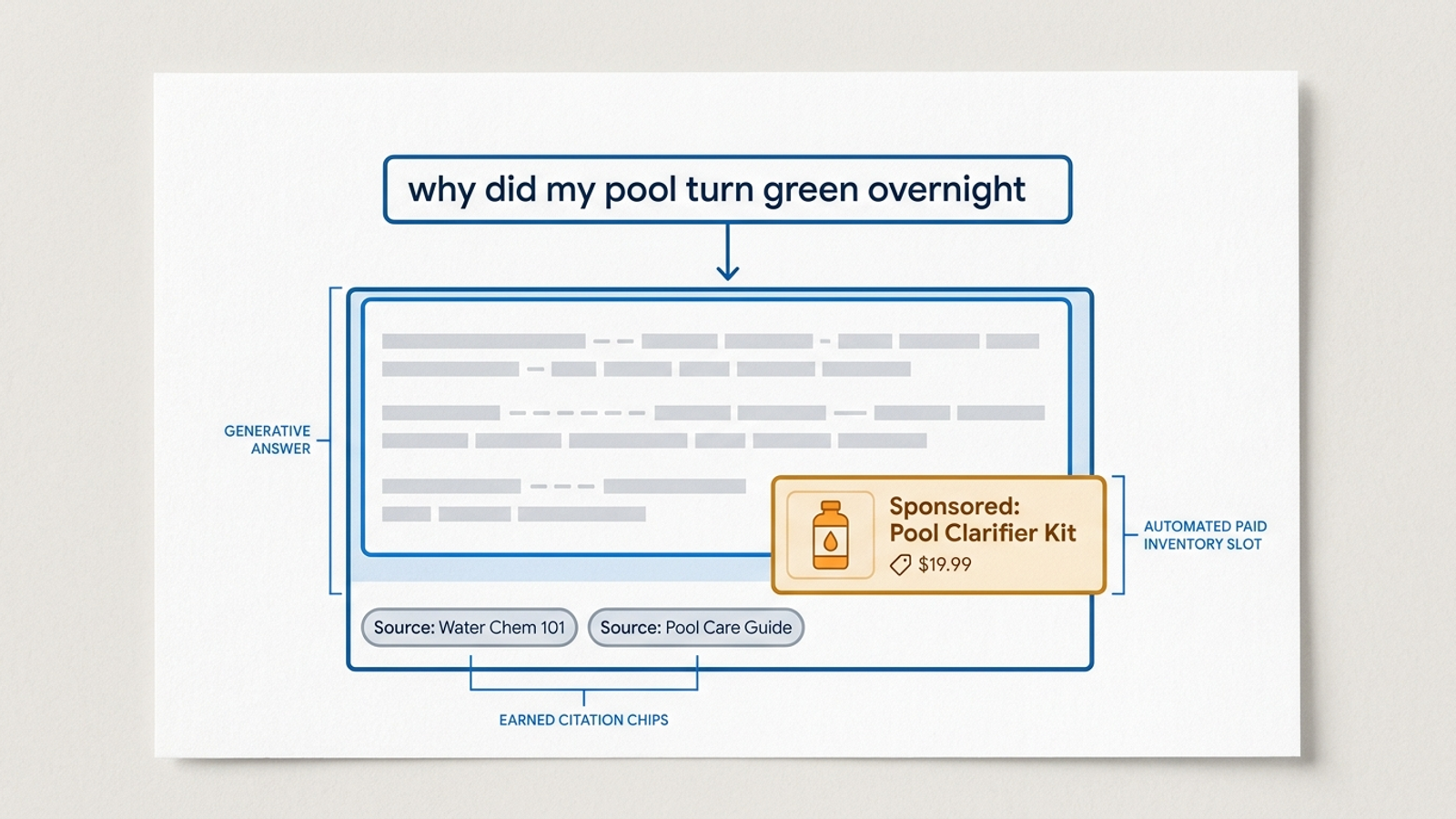
This is where the change stopped being an SEO-only concern. An organic citation can help a buyer understand the problem while an adjacent sponsored card offers the next purchase. You cannot buy the citation with an ad bid, and you cannot earn the ad placement by adding schema to a page. They are different levers operating in the same small space.
For an agency that keeps SEO in one monthly meeting and paid search in another, that is an awkward operating model. The content team might spend months making a useful diagnostic page easier to cite, while the paid team has no view of the commercial demand that follows the diagnosis. Or the reverse: the ads team pays to meet a buyer whose earlier research never encountered the brand. Neither spreadsheet shows the whole search journey.
The lesson is not to run ads against every question your content answers. It is to look at the result as a buyer sees it. Who explains the issue? Who gets the citation? What ad appears beside it? Who offers the next step? Those are now connected decisions, even when two teams own them.
Practical takeaway: review paid placements and organic citations together for the queries where an AI answer appears.
2025: AI Mode turns one prompt into several searches
In 2025, Google’s AI Mode made the limits of the old head-keyword model clearer. Google Search Central’s guidance describes query fan-out: the system can use multiple related searches to build an answer to one prompt. A business owner asking how to scale B2B lead generation with a lean sales team might prompt searches around qualification, CRM automation, pipeline measures, and sales-team structure. A single page that ranks for “B2B lead generation” may answer only a fraction of that request.
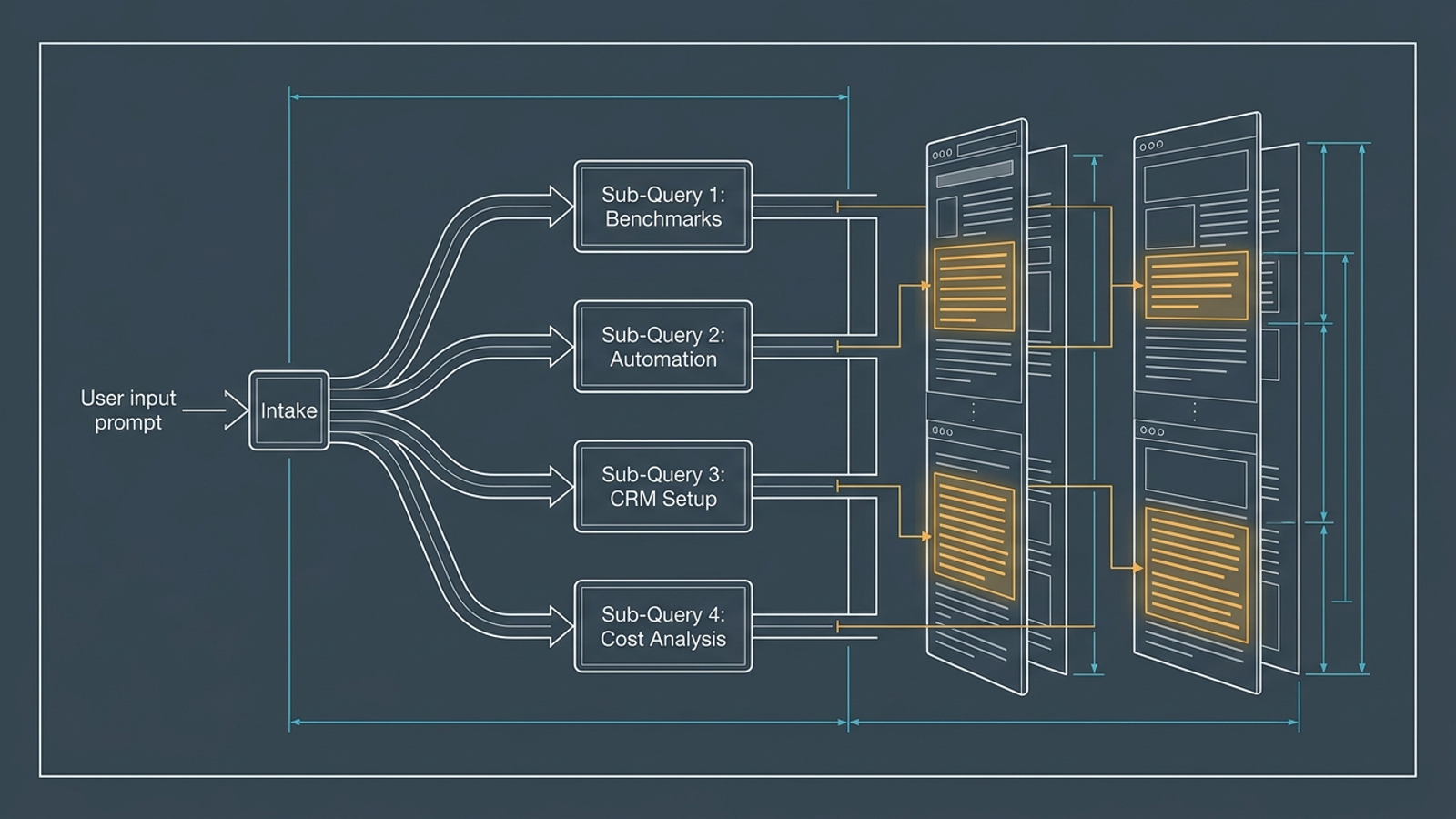
This changes the work behind a citation. The candidate is not necessarily the page with the most exhaustive introduction to the broad topic. It may be a relevant page with a section that answers one of those related questions directly. In a study covering 173,902 URLs and 10,000 keywords, Surfer SEO reported a 0.77 correlation between fan-out coverage and citation likelihood; 51.2% of cited pages ranked for both the primary keyword and at least one related sub-query. That is an observed relationship, not a promise that covering one more question earns a link. It is a useful warning against optimizing for only the exact phrase in the search bar.
What broke for practitioners was the single-intent page treated as a finished job once its title tag and opening paragraph matched the target term. Relevant rankings remain important: Google needs candidate pages to retrieve. But a page also has to make its useful answers findable within the broader set of questions. A clear heading followed by a direct explanation gives a retrieval system more to work with than two paragraphs of branded preamble before the actual answer.
The broader search landscape reinforces the point. ChatGPT search and Perplexity have made synthesized answers with linked sources a familiar way to research a purchase or diagnose a problem. That does not make every search surface identical to Google. It does mean brands cannot assume that a strong blue-link ranking alone explains whether an assistant can describe their pricing, specifications, or service terms. If those details are hard to find or understand on the page, a generated comparison has little clear material to use.
I would not respond by turning every page into a wall of clipped answers. People still have to read the thing. Start with the sections where a buyer needs a specific fact or explanation, put the answer near the heading, and keep the detail that makes it useful. A passage should stand on its own without making the rest of the page sound as though it was written for a machine with a short attention span. The machine is not the customer.
Practical takeaway: keep pages relevant enough to rank, then make their answers to related questions easy to extract and useful to read.
Present: The citation is earned, but the next click may be paid
The timeline does not produce a secret list of citation factors. It gives us a better way to spend the next quarter. SGE encouraged the top-three myth. The 2024 rollout showed that an AI answer is not guaranteed to appear. Ads and inline citations put paid and earned visibility together. AI Mode made one visible query a poor description of all the questions the system may pursue behind it. A ranking opens the door; a clear, relevant passage gives the answer something to cite. Neither guarantees the click when a paid result sits close to it.
I would work through the problem in this order:
- Find the answers that exist. Check your target queries for AI Overviews instead of treating every keyword as an AI-search project. Note which questions the answers address and where commercial ads appear.
- Map the questions behind each query. Look beyond the head term to the related sub-intents a fuller answer needs to cover. Do not invent a sprawling content cluster when an existing relevant page can answer them well.
- Fix the answer, not necessarily the website. On pages that already rank for relevant searches, use explicit headings and direct passages. If a section is about onboarding time, state the time and the dependencies before the brand introduction. There is no magic word count for a citation; clarity is the job.
- Read the paid and organic result together. An earned citation and an ad solve different problems. Check whether your search coverage addresses the commercial step that follows the informational answer, rather than celebrating a citation in isolation.
This is also where the usual monthly agency rhythm starts to look slow. A retrospective report can tell you that traffic fell, but it cannot act while the mix of answers, citations, and ads is changing. Separating PPC and SEO into retainers that rarely speak to each other makes that lag worse. The issue is not that humans have no role. It is that people should set direction and judge business outcomes, not spend their best hours moving between dashboards to discover what changed last week.
That is the operating argument behind groas: specialized AI models work continuously across paid and organic search, while a named human strategist sets direction, guardrails, and accountability. The point is not to collect more AI-search metrics for a prettier deck. It is to connect search visibility and spend to attributable revenue without waiting for separate monthly reviews to catch up.
The line from SGE to AI Mode points toward more answer-level competition, not a return to the simple bargain of rank first and collect the click. Make the answer easy to cite. Watch the paid result beside it. Then measure what either one did for the business.